Review tracking requirements
The work starts by clarifying which actions, leads, or sales signals matter most so the tracking plan reflects the real website goals.
Google Analytics & Google Tag Manager Setup
GA4 and GTM setup for businesses that need cleaner conversion tracking, better reporting, and fewer messy scripts across the website.
This service helps businesses that need a proper analytics foundation instead of scattered scripts and half-working events. It covers GA4, Google Tag Manager, conversion planning, form tracking, button tracking, ecommerce events, and testing so the data is easier to trust.

Expected outcomes
Cleaner tracking setup for website and marketing decisions
More reliable conversion events across important user actions
Better control over tags, pixels, and analytics scripts

Tracking
Tracking is planned around the decisions your team needs to make, not around dropping scripts into the site and hoping the reports stay accurate.
The work starts by clarifying which actions, leads, or sales signals matter most so the tracking plan reflects the real website goals.
If GA4, GTM, or pixels already exist, the current state is reviewed to find duplication, missing events, or inconsistent naming.
Events are mapped around forms, buttons, ecommerce steps, or campaign goals so the setup stays useful for reporting later.
The container is organised so tags, triggers, and variables follow a clearer structure and are easier to manage in future.
GA4 events and conversions are connected to the agreed tracking plan so the reporting layer reflects real business actions.
Important events are checked in preview and reporting tools so broken triggers or misleading data are caught before handover.
The finished setup includes practical notes so your team understands what is being tracked and how to extend it safely later.
Benefits
The goal is not more scripts. It is cleaner data, easier debugging, and better confidence in what the website is actually doing.
Tags and events are organised in a way that is easier to understand and easier to manage later.
Important actions such as forms, calls to action, and checkout steps are easier to measure consistently.
A cleaner GTM-based setup reduces the need for scattered scripts hardcoded across the website.
Decisions become easier when the event names, triggers, and conversion logic follow a clear structure.
Teams running SEO, paid ads, or landing pages can work with a clearer measurement setup behind the scenes.
When tags are planned properly, it becomes easier to add new tracking without breaking what already works.
Tooling
The setup depends on the site stack, the reporting needs, and how many channels or campaigns depend on clean conversion data.
Google Analytics
Google Tag Manager
Google Search Console
Looker Studio
Shopify
WooCommerce
WordPress
React

Strategic case studies
Anonymous case studies that show the systems, workflows, and full-stack implementation thinking behind real project work.
Multi-Brand Business Operations
A reusable frontend foundation reduced repeated build work while keeping each brand experience flexib


Finance & Billing Software
A connected billing platform made finance activity easier to track, review, and manage. Built with
View Case Study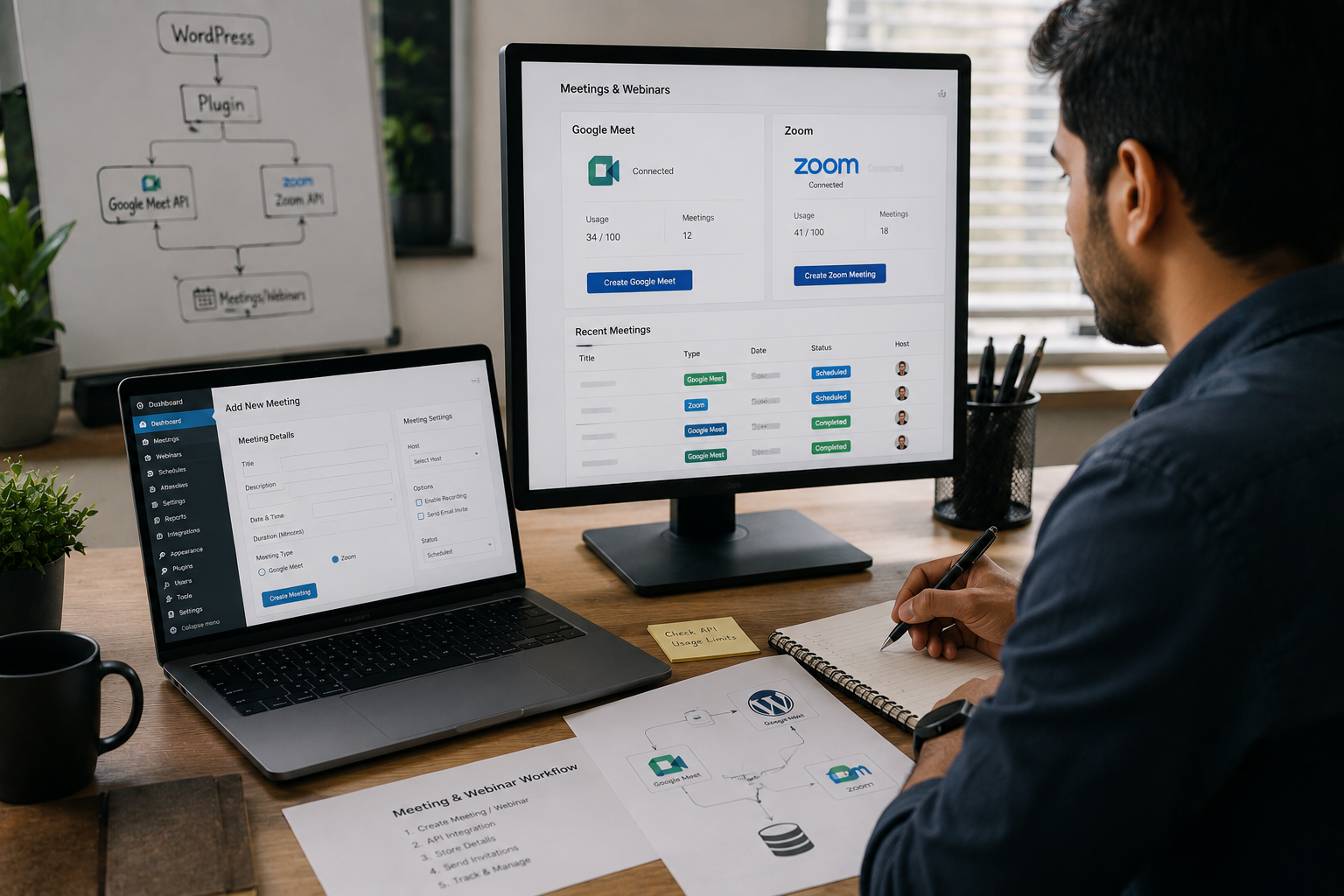
Online Education & Events
A custom plugin reduced repeated meeting setup and gave the team a cleaner webinar workflow. Built with
View Case Study
SEO & Content Intelligence
A focused ML workflow made keyword opportunities easier to compare and act on. Built with Python, Streamlit, T
View Case StudyInsights & Blogs
Practical notes on development, CMS, SEO, automation, and product workflows.

Your website looks stunning, but is it converting visitors into leads? Learn the critical design, UX, and technical SEO mistakes that silently hurt your business's revenue and trust.

Avoid costly, risky redesigns. Use this essential 4-phase checklist covering strategic content audits, technical SEO migration, performance benchmarking, and wireframing before touching the UI.

Learn the practical steps to design a service website that looks high-end and trustworthy. Focus on strategic whitespace, clear messaging, structured layout, and conversion-focused trust signals.
FAQ
Clear answers before we start, so you can understand how the work is planned, built, and launched.
Yes. Many tracking setups need auditing and cleanup before new events are added, especially when multiple scripts or pixels were added over time.
Yes. Form submissions, CTA clicks, downloads, and other important interactions can be planned and tracked around your real conversion goals.
Yes, if the platform and store setup support it. Product views, add-to-cart actions, checkout steps, and purchases can be mapped where appropriate.
Often yes. Inconsistent reports usually come from event naming problems, duplicated scripts, broken triggers, or a tracking plan that was never defined clearly.
Yes. The handover includes practical notes so future tracking changes are easier to understand and less likely to cause reporting problems.