Clarify the sales model
The work starts with understanding products, customer expectations, fulfilment needs, and how the business sells today.
Ecommerce Development
Freelance ecommerce development for businesses planning a store across WooCommerce, Shopify, or a custom selling workflow.
This service is for broader ecommerce work where the platform decision, customer journey, store structure, and operational workflow all need to be considered together. It fits businesses launching, rebuilding, or expanding online selling systems.

Expected outcomes
A clearer ecommerce structure for growth
Smoother customer journeys from product to checkout
Better operational control behind the store

Commerce Strategy
The build starts with how products are sold, managed, and fulfilled - not just how the storefront looks.
The work starts with understanding products, customer expectations, fulfilment needs, and how the business sells today.
Platform fit, constraints, and future requirements are reviewed so the store is planned around the right foundation.
Discovery, product detail, cart, checkout, and post-purchase steps are planned to reduce hesitation and confusion.
The storefront, product setup, payments, and operational logic are implemented with the real selling workflow in mind.
Orders, product handling, admin workflows, and key customer actions are tested before the store goes live.
The final handoff keeps attention on usability, trust, and how the store will be managed after launch.
Commerce Outcomes
The strongest ecommerce systems support buying confidence on the front end and cleaner operations behind the scenes.
Customers can compare products, browse categories, and understand buying options without unnecessary confusion.
The path from cart to payment feels cleaner and more trustworthy when key steps are planned carefully.
The ecommerce setup is chosen around the actual catalog, workflow, and team needs instead of using the wrong platform by default.
Order states, payment handling, customer actions, and admin workflows become easier to track and manage.
The system is easier to extend with new categories, collections, payment methods, or integrations later.
A cleaner commerce foundation usually reduces the amount of workaround-heavy fixes needed later.
Commerce Stack
The platform and integrations depend on product complexity, checkout needs, payment setup, and how the business manages orders after purchase.
WooCommerce
Shopify
React
Node.js
Stripe
Razorpay
REST API
Analytics

Strategic case studies
Anonymous case studies that show the systems, workflows, and full-stack implementation thinking behind real project work.
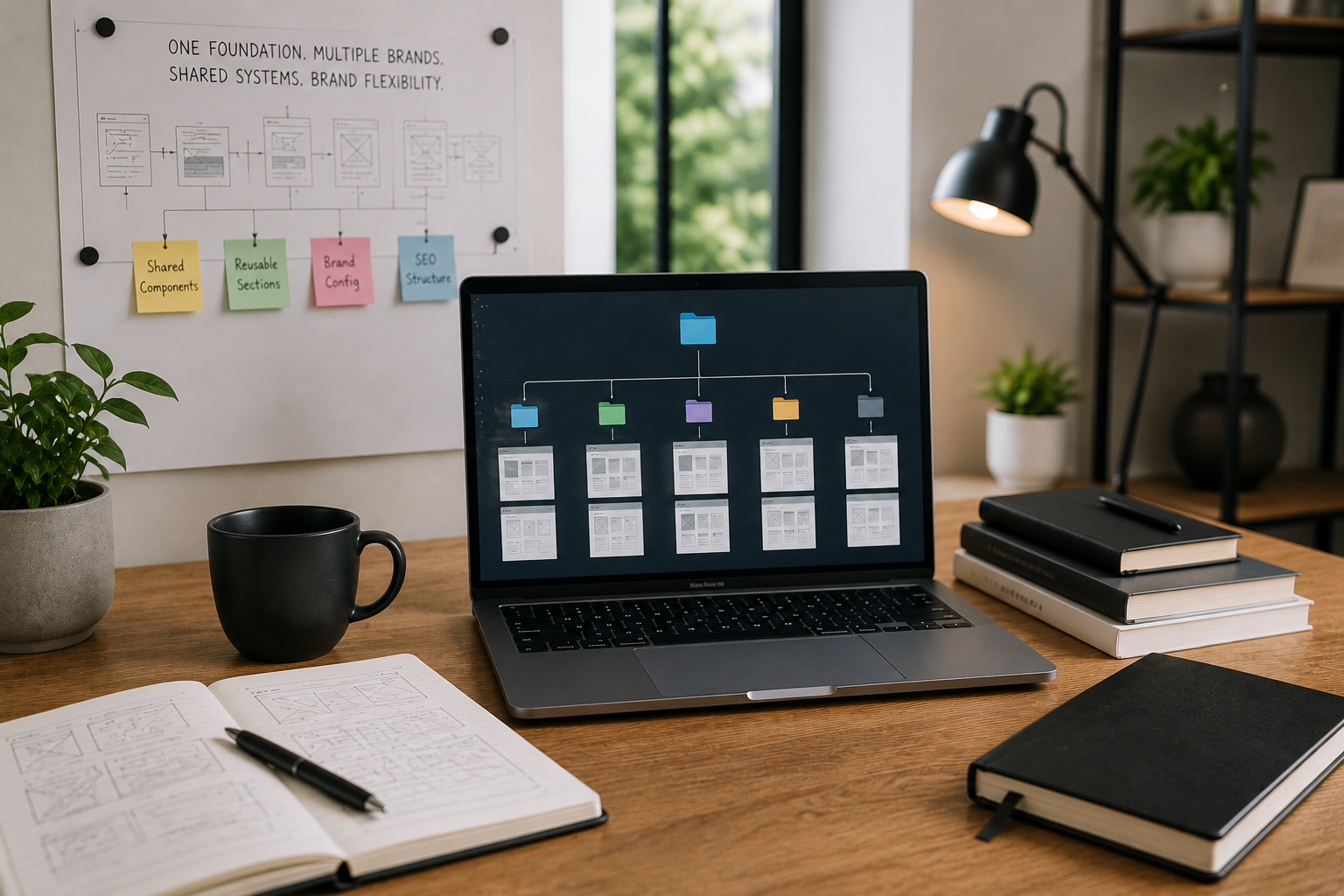
Multi-Brand Business Operations
A reusable frontend foundation reduced repeated build work while keeping each brand experience flexib

Finance & Billing Software
A connected billing platform made finance activity easier to track, review, and manage. Built with
View Case Study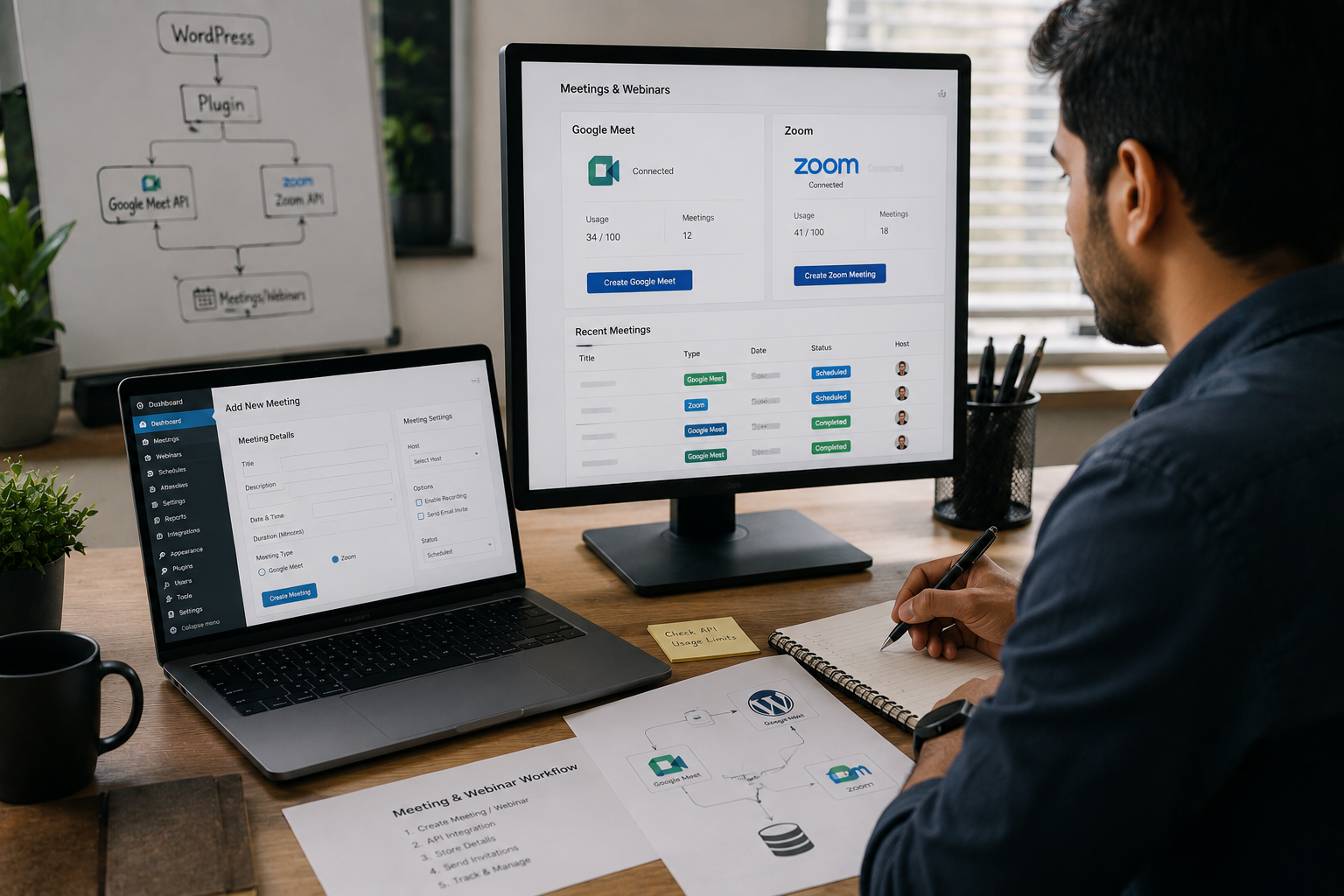
Online Education & Events
A custom plugin reduced repeated meeting setup and gave the team a cleaner webinar workflow. Built with
View Case Study
SEO & Content Intelligence
A focused ML workflow made keyword opportunities easier to compare and act on. Built with Python, Streamlit, T
View Case StudyInsights & Blogs
Practical notes on development, CMS, SEO, automation, and product workflows.
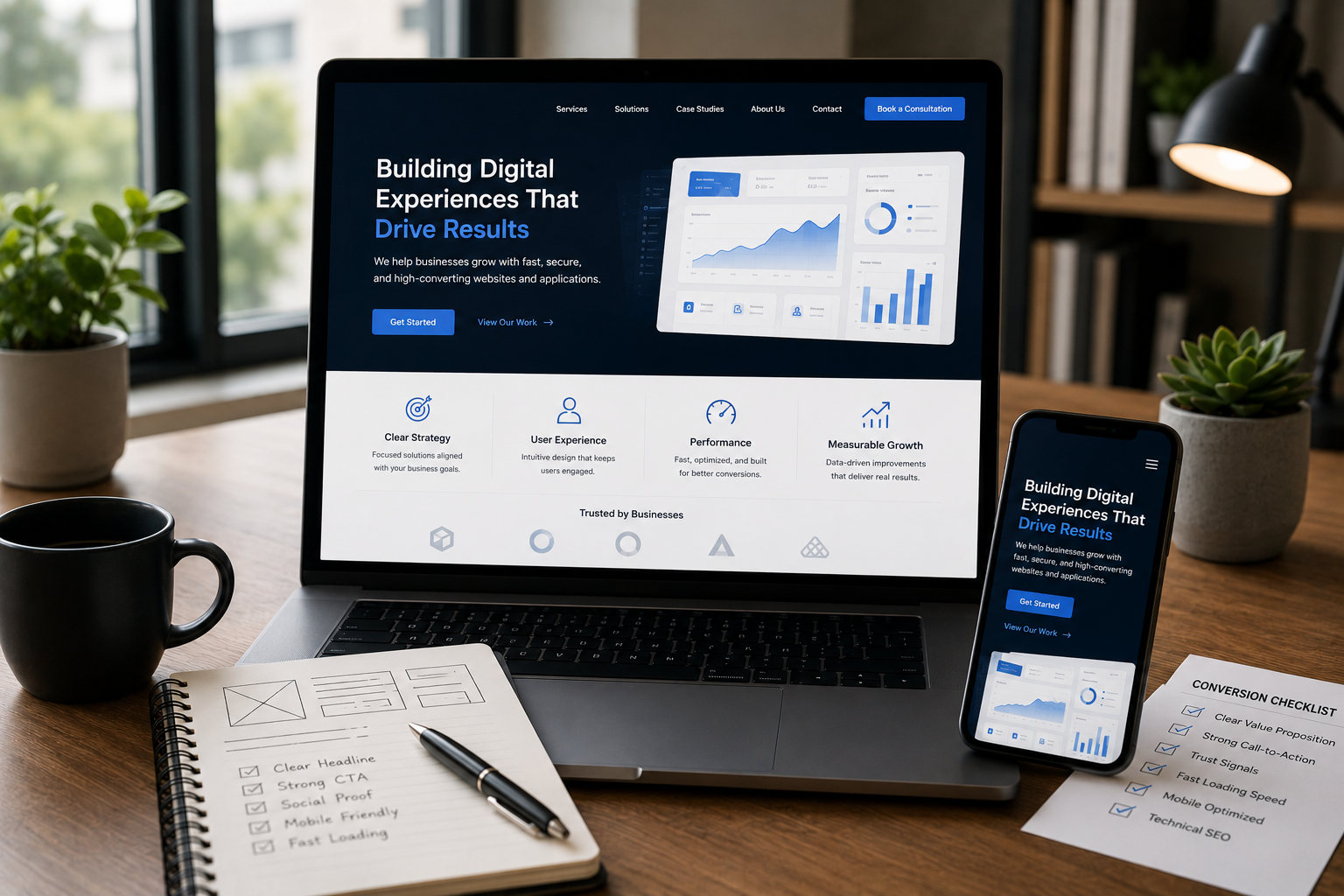
Your website looks stunning, but is it converting visitors into leads? Learn the critical design, UX, and technical SEO mistakes that silently hurt your business's revenue and trust.
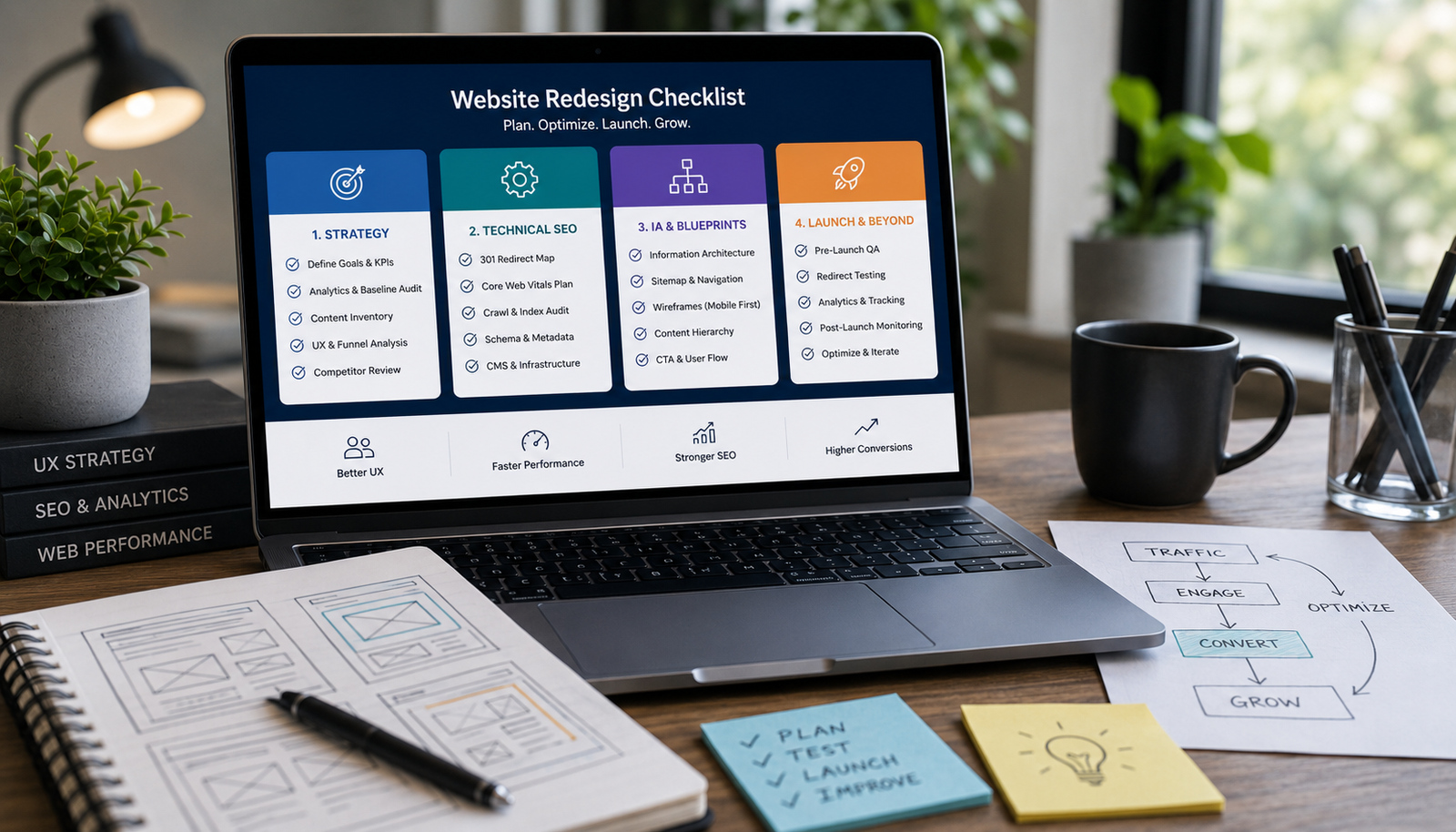
Avoid costly, risky redesigns. Use this essential 4-phase checklist covering strategic content audits, technical SEO migration, performance benchmarking, and wireframing before touching the UI.

Learn the practical steps to design a service website that looks high-end and trustworthy. Focus on strategic whitespace, clear messaging, structured layout, and conversion-focused trust signals.
FAQ
Clear answers before we start, so you can understand how the work is planned, built, and launched.
No. The right platform depends on the business model, product structure, editing needs, checkout requirements, and future operational goals.
Yes. That decision should be based on how the business sells, manages products, and plans to scale, not on which platform is more popular in general.
Yes. If the business needs custom order handling, payment logic, subscriptions, admin flows, or platform integrations, those can be planned into the build.
Yes. I can improve structure, clarity, checkout flow, and product presentation, but I do not promise revenue numbers or rankings that no developer can honestly guarantee.
That is part of the goal. The build should make daily store management feel cleaner for the people updating products, tracking orders, and handling operations.