Define the use case clearly
The work starts with a precise workflow problem so the tool is designed around usefulness rather than novelty.
AI / ML Tool Development
Practical AI and ML tool development for search, classification, recommendations, content workflows, and internal decision support.
This service is for businesses that need practical AI assistance inside a real interface or workflow. It fits internal tools, search experiences, content systems, and decision support products where the surrounding product design is just as important as the model or logic.

Expected outcomes
Smarter workflows built around practical use cases
More useful search, scoring, or recommendation logic
Better structure for AI-assisted internal tools

Problem Definition
The work starts by defining the actual decision or workflow problem the tool needs to improve, then building the logic and interface around that purpose.
The work starts with a precise workflow problem so the tool is designed around usefulness rather than novelty.
Content, records, labels, and decision signals are assessed to understand what the tool can realistically support.
Rules, prompts, ranking, or ML behaviour are structured around the output that users actually need to act on.
The product experience is developed so users can review, trust, and work with the output more effectively.
The tool is checked against practical use cases so the logic and interface stay grounded in real decisions.
The final setup makes it easier to improve prompts, rules, data sources, or model logic once the tool is in use.
Tool Benefits
The strongest tools reduce uncertainty, save time, and make complex data or search relationships easier to act on.
Tasks like keyword review, classification, search scoring, or content analysis can become much more efficient.
Search and recommendation systems can become more useful when the scoring and interface are shaped around real needs.
The tool can help users compare options, review patterns, and act on information with more consistency.
Model-driven logic becomes easier to use when the product experience around it is designed carefully.
The final system should fit the business workflow instead of producing output that nobody can act on consistently.
A well-planned tool can improve over time as the scoring logic, rules, or data sources become more refined.
Tooling
The implementation depends on whether the tool needs search logic, classification, dashboards, automation support, or a browser-based experience around complex data.
Python
React
Node.js
OpenAI
Google Gemini
Supabase
Vite
Analytics

Strategic case studies
Anonymous case studies that show the systems, workflows, and full-stack implementation thinking behind real project work.
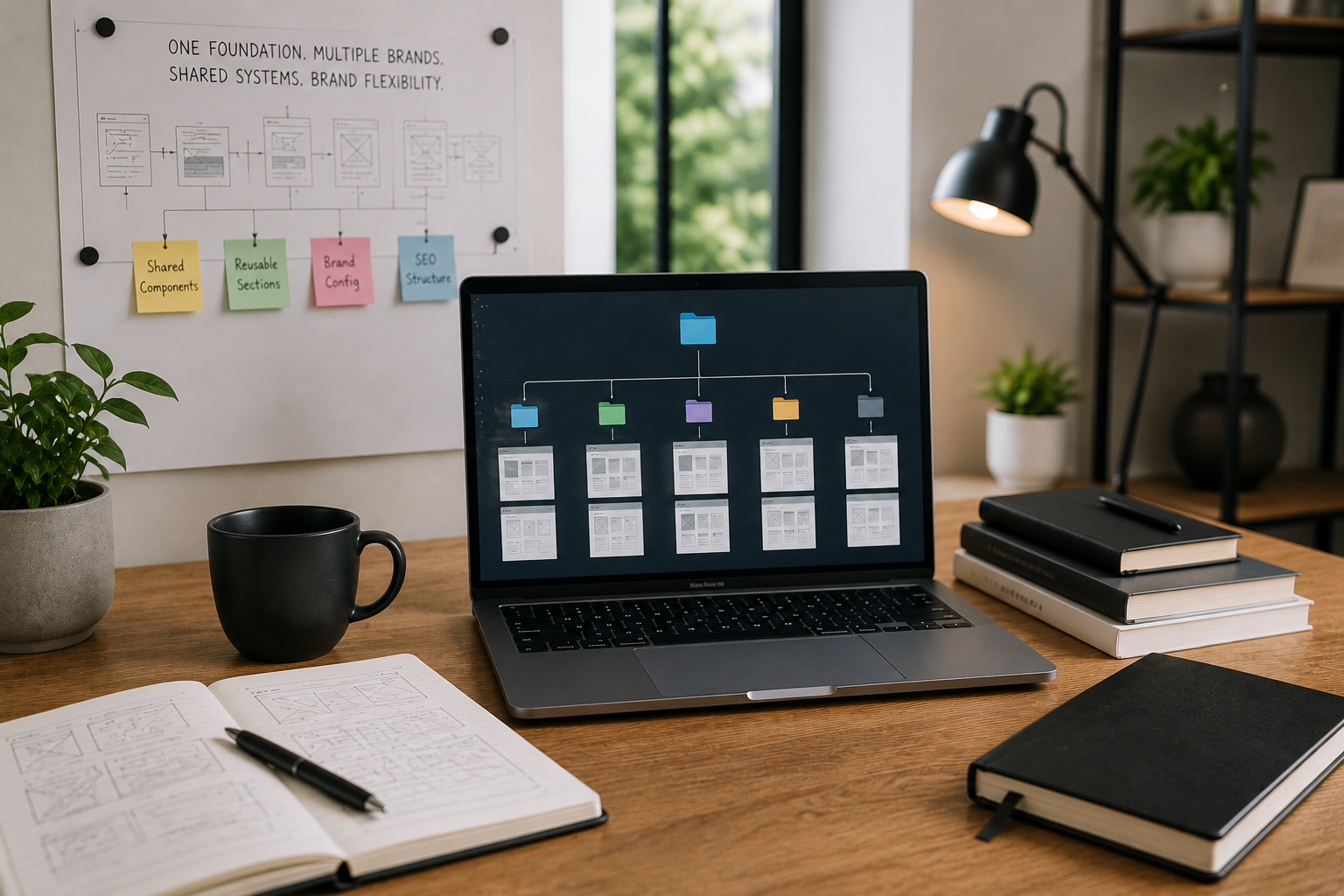
Multi-Brand Business Operations
A reusable frontend foundation reduced repeated build work while keeping each brand experience flexib

Finance & Billing Software
A connected billing platform made finance activity easier to track, review, and manage. Built with
View Case Study
Online Education & Events
A custom plugin reduced repeated meeting setup and gave the team a cleaner webinar workflow. Built with
View Case Study
SEO & Content Intelligence
A focused ML workflow made keyword opportunities easier to compare and act on. Built with Python, Streamlit, T
View Case StudyInsights & Blogs
Practical notes on development, CMS, SEO, automation, and product workflows.

Your website looks stunning, but is it converting visitors into leads? Learn the critical design, UX, and technical SEO mistakes that silently hurt your business's revenue and trust.
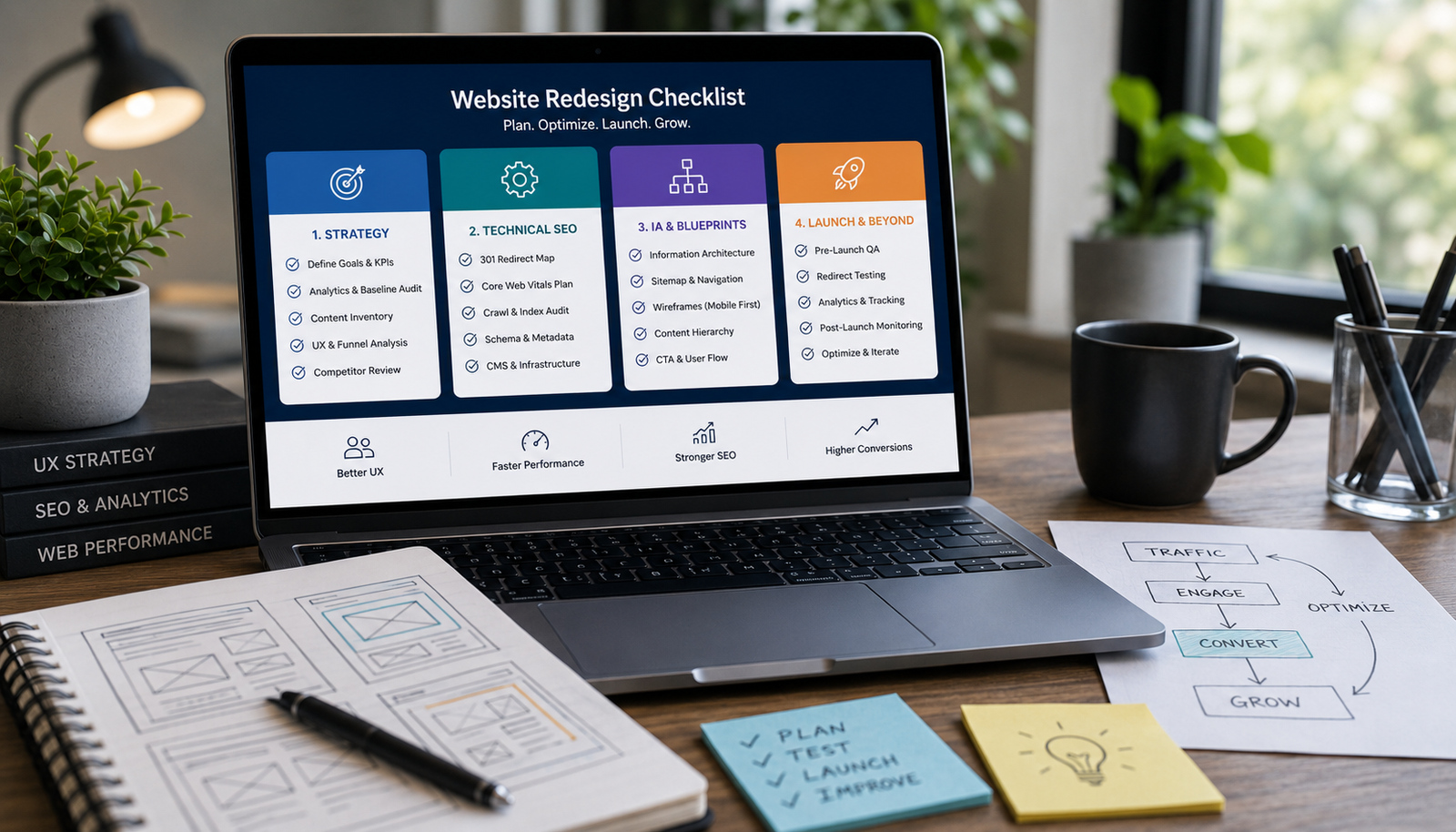
Avoid costly, risky redesigns. Use this essential 4-phase checklist covering strategic content audits, technical SEO migration, performance benchmarking, and wireframing before touching the UI.

Learn the practical steps to design a service website that looks high-end and trustworthy. Focus on strategic whitespace, clear messaging, structured layout, and conversion-focused trust signals.
FAQ
Clear answers before we start, so you can understand how the work is planned, built, and launched.
Usually internal tools or tightly scoped product features where the workflow problem is clear and the business value can be defined honestly.
Yes. Many useful tools become more valuable when they work with data the business already owns, such as content, search signals, or operational records.
No. I prefer projects where the logic solves a practical problem and where the interface and workflow around that logic matter just as much as the model choice.
Yes. Relevance scoring, search logic, ranking, classification, and recommendation workflows are common use cases when they serve a real operational or product need.
Yes. In most cases the interface is critical because the tool only becomes useful when someone can understand and act on the output easily.